Merit Award: Parks & Recreational Fields
West Resthaven Cemetery Park – Glendale, AZ
SUBMITTED BY
Andrew Chase, The Davey Institute
PROJECT OVERVIEW
• West Resthaven Park Cemetery is a historic 54-acre memorial park in Glendale, Arizona, developed since 1947
• Features diverse burial types, monuments, and mausoleums creating complex microclimates
• Heat-retaining stone markers require careful irrigation to prevent thermal cracking
• Serves a diverse community and hosts cultural events, including Día de Los Muertos
• Site relies on a mixed water system (SRP canal water, groundwater, and potable), regulated under Arizona’s 5th
Management Plan
• Water use limited to 4.43 acre-feet per irrigated acre due to groundwater availability
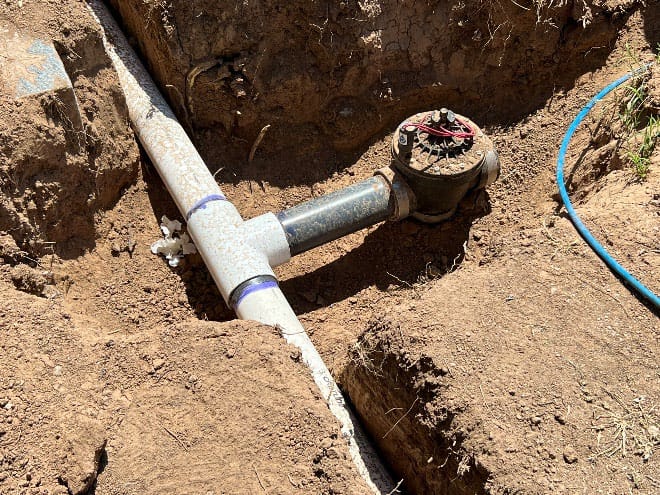
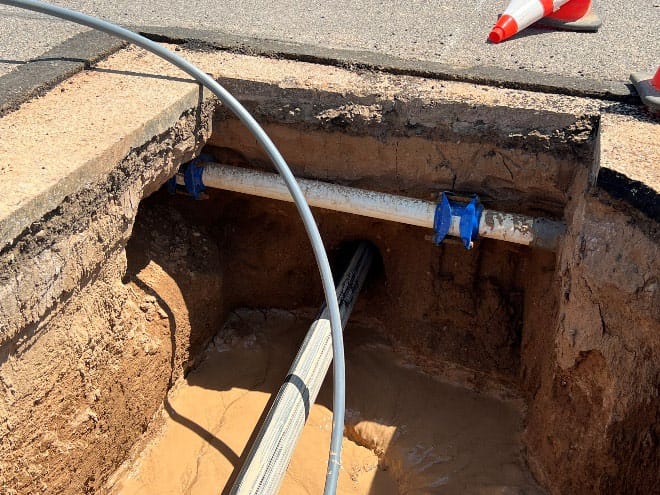
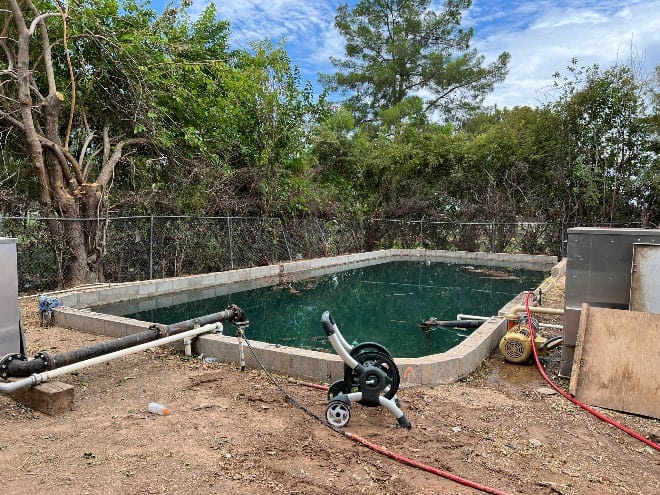
• Existing irrigation system was in severe decline, with major leaks, failing infrastructure, and 95% manual operation
• Soil compaction, disturbance, and inconsistent watering led to poor infiltration and unreliable performance
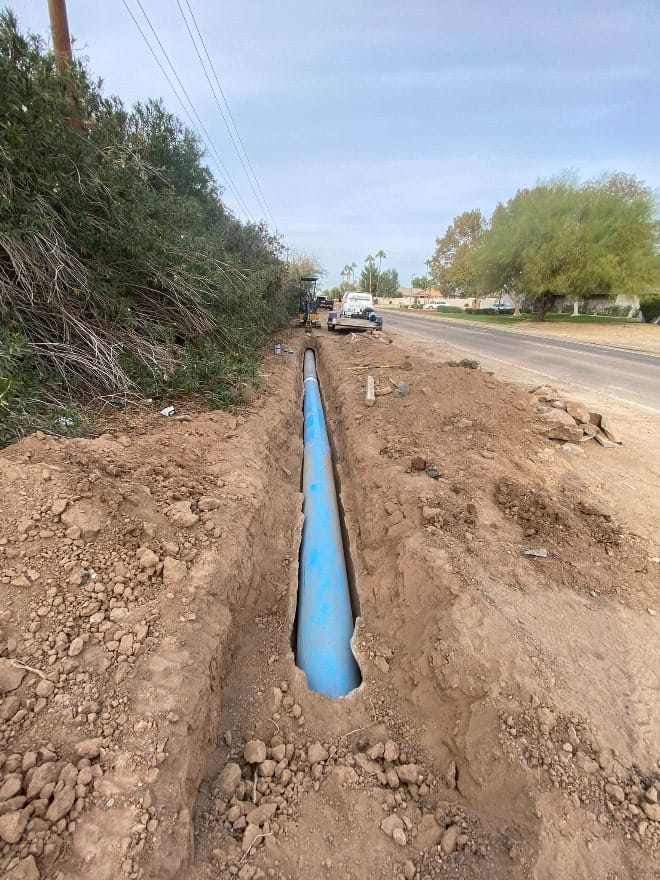
• Project required full system modernization while maintaining uninterrupted cemetery operations
ROLE OF THE IRRIGATION CONSULTANT
• Provided advanced troubleshooting and design across a complex, multi-source irrigation system
• Performed hydraulic modeling and flow analysis for mixed-material infrastructure
• Led electrical diagnostics and two-wire system implementation, including field training
• Optimized sprinkler performance (spacing, nozzle selection, pressure balance)
• Configured central control systems, including hydrozones, soil-moisture integration, and wireless components
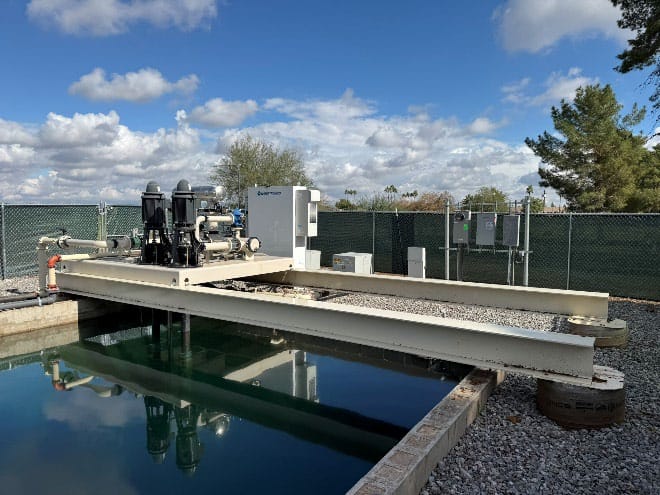
• Evaluated water quality, cistern operations, and SRP/well interaction strategies
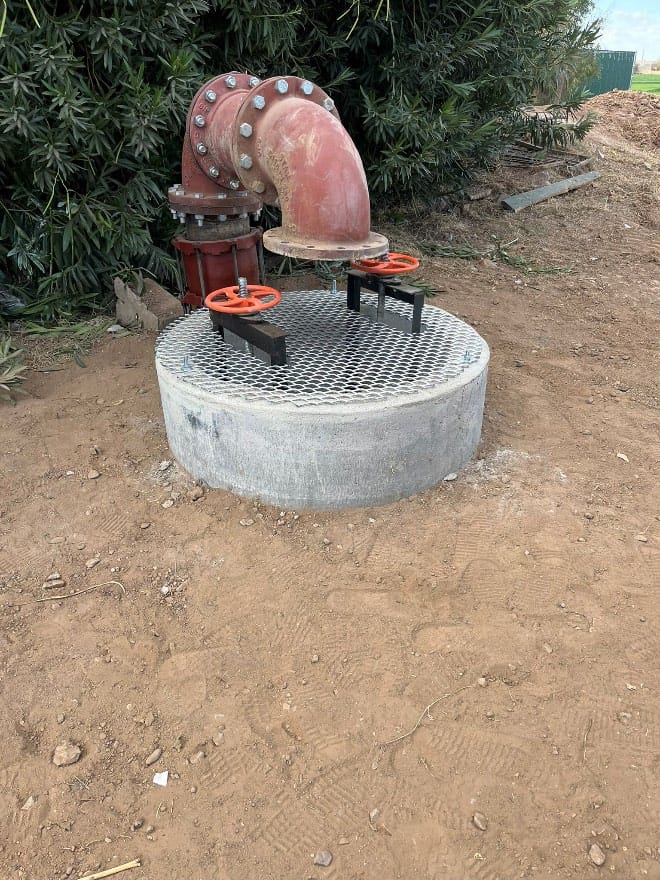
• Trained staff on pump stations, controllers, and irrigation best practices
SPECIAL FACTORS
• Active cemetery operations required flexible scheduling and continuous coordination
• Work constrained by burial activity, narrow aisles, varied plot sizes, and depth limitations
• Limited or outdated utility mapping required field verification and adaptive design
• On-site redesign of irrigation layout and components was frequently required to maintain performance
• Complex microclimates from monuments, mausoleums, and canopy required tailored irrigation strategies
• All work maintained uninterrupted operations while preserving visitor experience and cultural sensitivity